Where Washes Meet
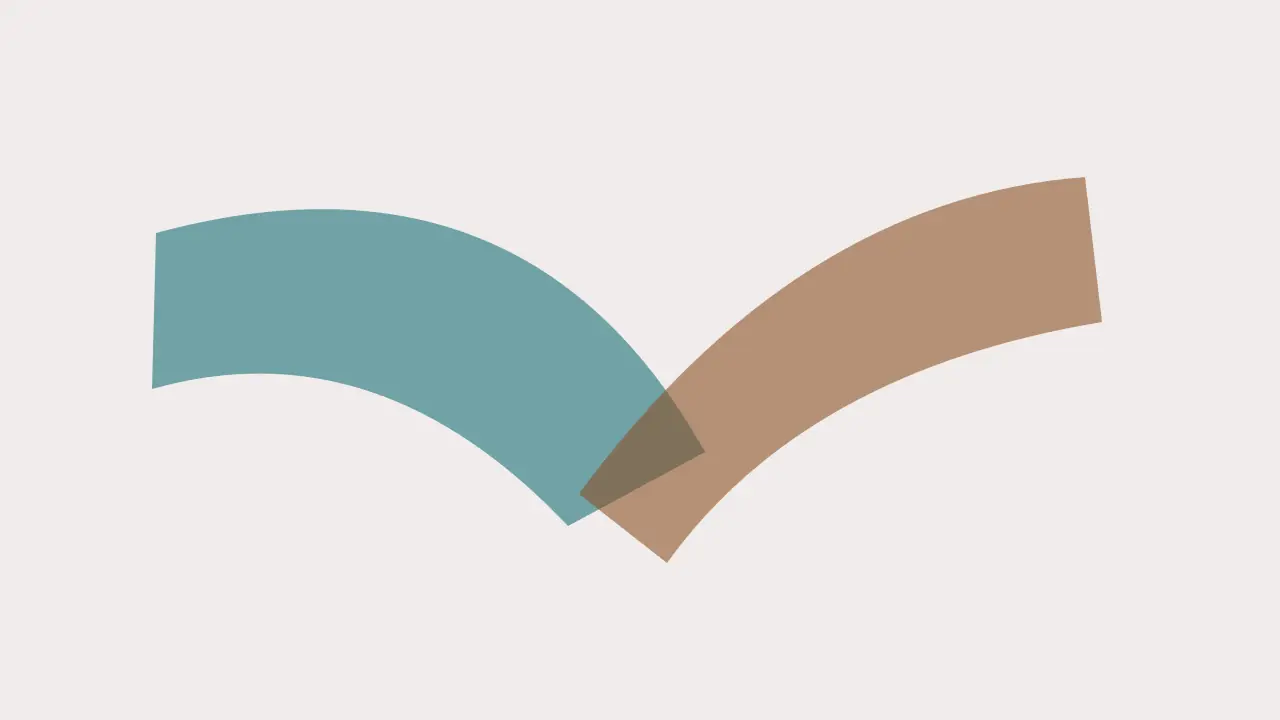
When both washes reached the lower mill at the same time, the first prototype showed one dark patch. Its shape looked convincing, but the painter couldn’t read the two routes that reached it. We kept the wet meeting visible and worked on the moment just before it, when each separate path still had a useful edge. The revision leaves a reason to use a narrow brush while the first color is settling.
Choose a clear approach for each color
The cooler wash starts along the lower bank. A stone slows it near the rim and allows the color to pick out the crossing. The warmer wash enters at the channel above the wheel. It can move quickly enough to color the gate and part of the upstream path. The two approaches are drawn in different parts of the same view. A player can see where each starts before expecting them to meet.
An early test used stripes with edges of different thickness. The heavier stripe looked like a final answer even before it reached a path. We switched to washes with comparable value near their front and left visible paper between them. The shape of the bank and position of the upper gate offer a practical reason for keeping track of their separate movements.
Let the first overlap happen in view
Immediately below the weir is a small area where both channels turn. In a quick sequence the two fronts can meet there before either has fully colored its destination. A line of blended color can form near the center while some paint remains distinct on each side. The moment is long enough to examine from the resting ledge. Later movement can cover more of the mixture without making the original approach look as though it began in the same place.
We chose a softer edge at the overlap. When the seam was sharply drawn, readers thought it belonged to the paper surface and expected it to hold both colors back. The transition is still visible. It behaves like two wet areas touching and doesn’t supply a new path on its own. A path depends on where the brushwork reaches a useful surface such as a stone or a bank.
Keep both early results available after one character returns
A figure on the lower crossing can reappear while the higher route remains incomplete. Our current check starts with that character already visible and another stroke at the gate. The first washed stones stay in place. A small wet area can still move next to their path without erasing the original sign of a crossing. The second stroke might help somebody find the other side of the mill or make a different path harder to read.
During review we ask the reader to identify where both colors came from, when they first met and which path was readable afterward. The test can include a dry ledge and a broad stroke through the center. The overlap should remain visible even if the reader has a good reason to prefer the separate approaches. A different result is a legitimate picture that leaves a different route available.
Revisit the trial through two useful viewpoints
Before the Weir records the slower channel beside the dry ledge. In the mill prototype the same ledge makes a spot to watch two fronts changing. Try the short mill exercise to compare a wash aimed along the bank with one sent through the center. The next studio review will check whether a person can still trace each start after a blended region begins to spread across the lower painting.